Reframing NHS surgical challenges as opportunities for evolution
Recent reports from the Royal College of Surgeons and national media paint a compelling picture: waiting lists now exceed 7.3 million patients, with over 170,000 waiting more than a year for treatment. The 2025 UK Surgical Workforce Census highlights burnout, limited theatre access, and rising attrition among trainees. Meanwhile, almost half of NHS surgeons are operating just once a week due to bed shortages and outdated facilities.
At first glance, these figures suggest a system under strain. But at Darwin Group, we see them as signals for transformation—moments where necessity can drive evolution.
From bottlenecks to breakthroughs
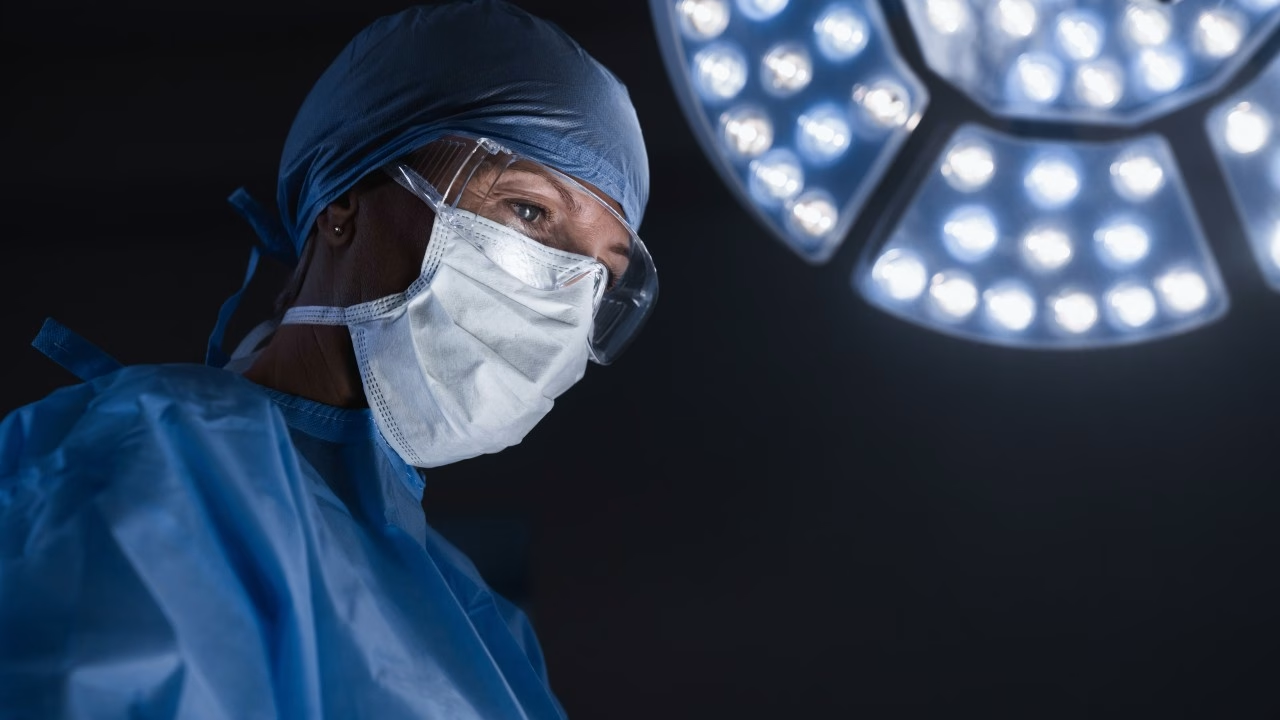
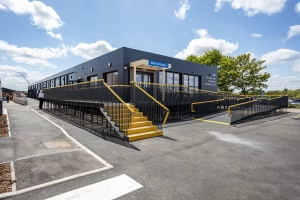
Theatre access: Limited theatre space and staff shortages are barriers today, but they also highlight the need for modern surgical hubs—flexible, purpose‑built environments that can be deployed rapidly to expand capacity. These hubs can be designed with modern IT and robotic‑surgery infrastructure in mind, future‑proofing care delivery.
Bed shortages: The frustration of cancelled operations due to unavailable beds underscores the opportunity to rethink estate design. Integrated recovery suites, same‑day discharge pathways, and community diagnostic centres can reduce reliance on acute beds while improving patient flow.
Workforce burnout: High attrition risk among trainees is a warning sign, but also a chance to reimagine training models. Protected time in theatres, exposure to independent sector innovations, and digital learning platforms can create a more sustainable pipeline of surgical talent.
Turning workforce strain into sustainable growth
The census reveals that 39% of consultant posts remain unfilled. Rather than viewing this as a deficit, it is an invitation to expand the extended surgical team model—empowering SAS surgeons, locally employed doctors, and allied professionals to take on greater responsibility. This evolution not only alleviates pressure but also diversifies the skill base of the NHS.
Infrastructure as a platform for innovation
The Telegraph’s reporting on “crumbling hospitals” is not just a critique—it is a call to invest in adaptable estates. By prioritising modern, modular builds, digital‑first design, and sustainable materials, the NHS can move beyond patchwork maintenance to create environments that actively enable productivity.
Imagine surgical hubs where robotic systems, AI‑driven scheduling, and streamlined patient pathways can be embedded. These are not distant ambitions—they are achievable with the right vision.
A system ready to evolve
Waiting lists, workforce pressures, and infrastructure gaps are not signs of failure—they are signals of a system ready to evolve. By embracing innovation in estate design, workforce planning, and service delivery, we can transform these challenges into opportunities for growth, resilience, and better patient outcomes.
We believe evolution is not optional—it is essential. The NHS has always adapted to meet the needs of its people. Today, the opportunity is clear: to build a health service that is not only fit for purpose but fit for the future.
Darwin Group On-Demand® Ultraclean Operating Theatre
To find out more about our latest innovation – the Darwin Group On-Demand® Ultraclean Operating Theatre, read our latest article.